Artificial Turf Cleaning in the Imperial Valley: Why Monthly Care Beats the Occasional Rinse
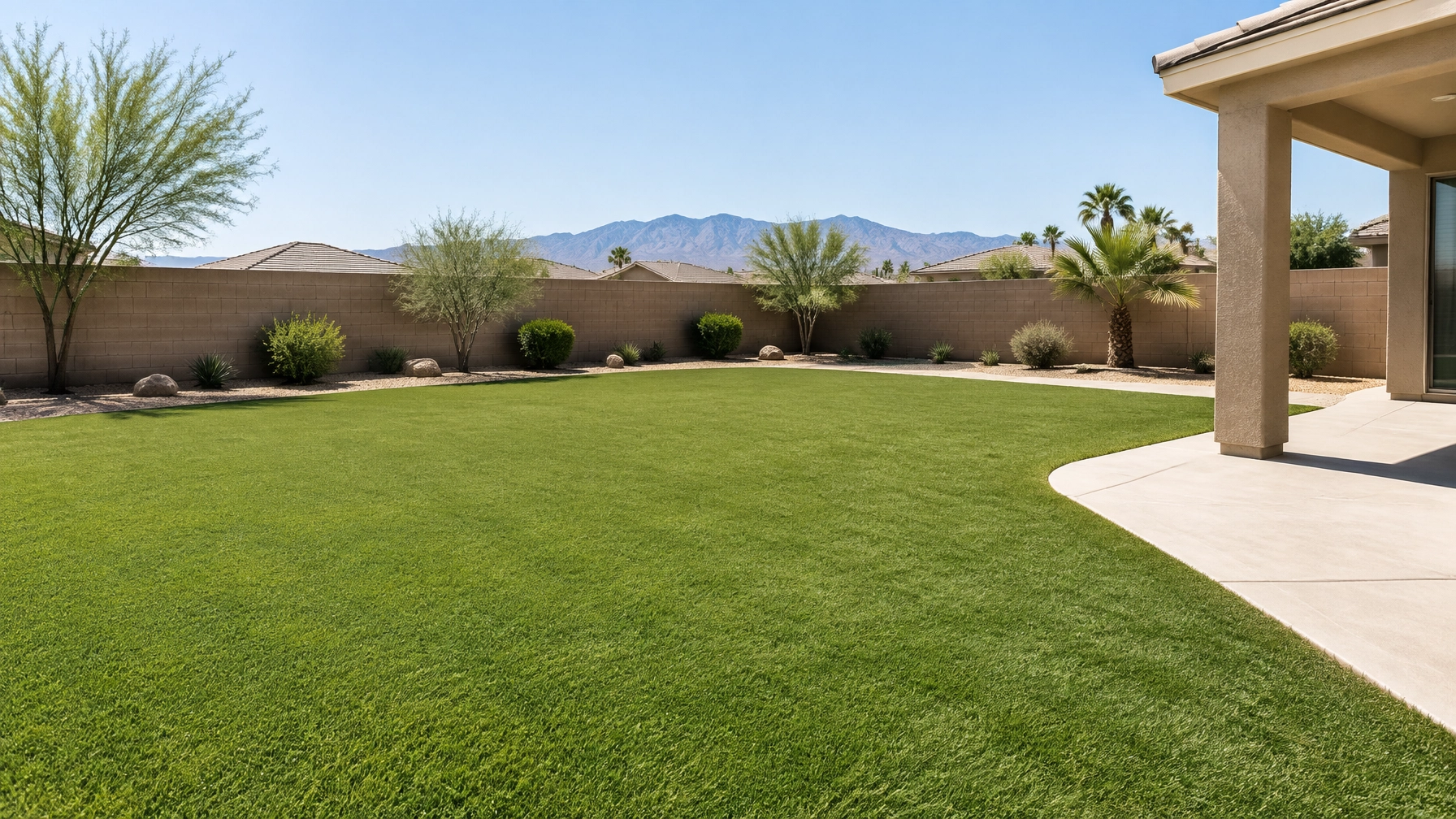
Artificial turf does need cleaning. It does not grow, attract weeds or require mowing, but it still collects desert dust, pet residue, leaves, hair and other debris. Over time, those materials can settle between the fibers and into the infill.
For many Imperial Valley homes, a monthly turf-care visit is more useful than waiting until the surface looks obviously dirty. Regular care helps address buildup while it is still manageable instead of turning every visit into a larger reset.
If you are comparing artificial grass cleaning options or searching for turf cleaning near me, the main question is not whether turf needs attention. It is whether a quick rinse is enough for the condition of your yard.
What desert dust, heat and hard water do to artificial turf
Imperial Valley yards deal with conditions that can make outdoor surfaces look dusty again soon after cleaning. Fine dust can settle across the tops of the blades and work down into the spaces around the infill. Wind can also bring in leaves, small debris and other material that a hose alone will not remove.
Heat can cause water and surface residue to dry quickly. When rinse water contains minerals, those minerals may remain visible after the water evaporates, particularly along turf edges, patios and nearby hardscape. Hard-water residue is not the same problem as ordinary loose dust, and a basic rinse may not remove every visible deposit.
Pet use adds another layer. Solid waste should be removed promptly, while urine and other residue can reach the base of the fibers and the infill. If those areas are only rinsed occasionally, odor and buildup may become more difficult to address.
Why a hose rinse is not always enough
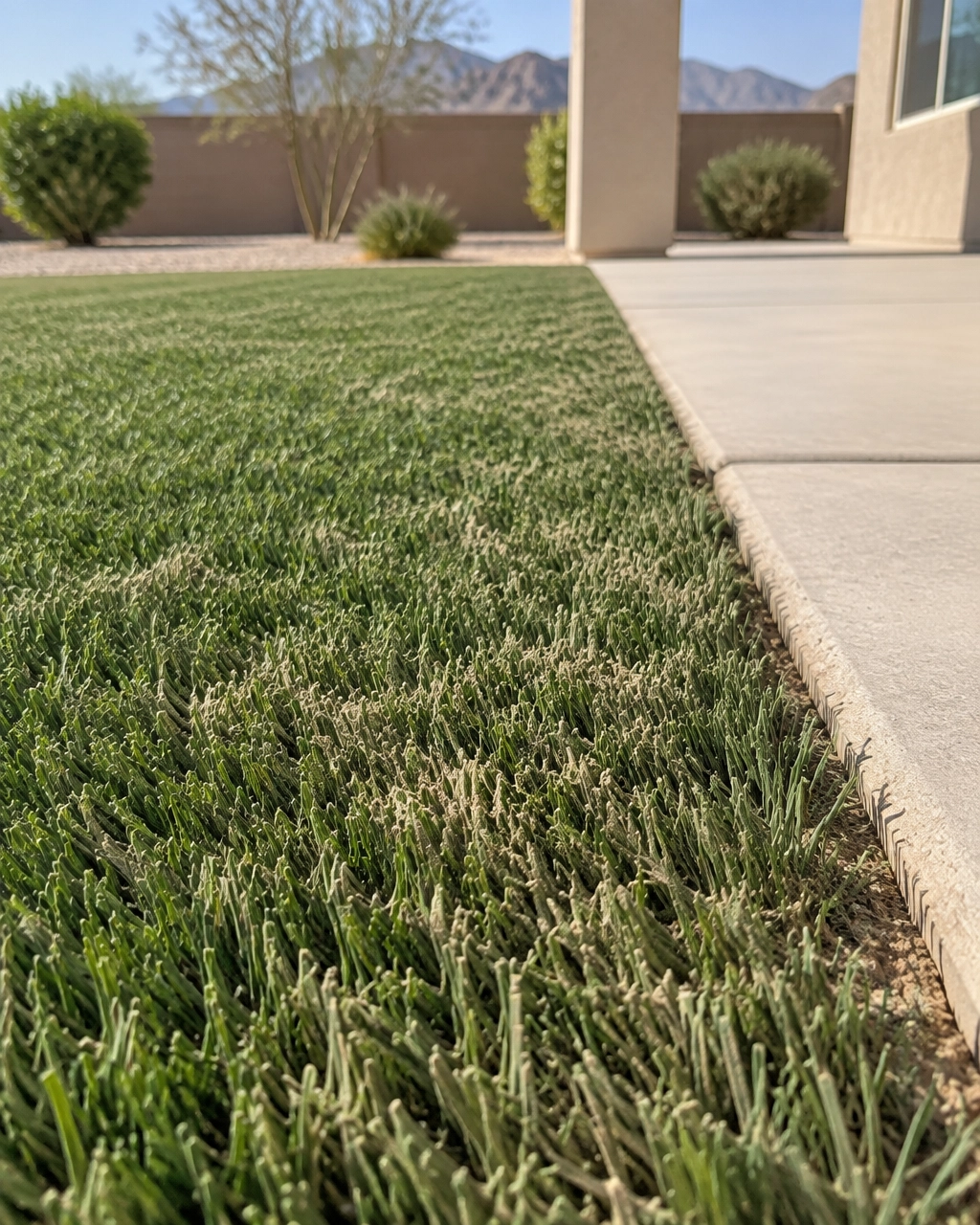
A hose is useful for light surface rinsing, but it has limits. It may move loose dust and small debris without fully removing what has settled below the visible surface.
A rinse may not address:
- Fine dust held between the fibers
- Pet waste residue near the base of the turf
- Hair and organic debris caught in the infill
- Fibers that have become flattened in walkways or play areas
- Infill that has compacted, settled or shifted
- Residue that remains after water dries
The goal of professional turf cleaning is not simply to add more water. It is to remove debris and residue in a controlled way. Depending on the condition of the turf, that can include dry debris removal, brushing, careful washing and appropriate extraction or treatment. Proper rinsing and extraction should remove residue rather than simply push it deeper into the turf system.
A hose rinse can be part of regular homeowner upkeep. It should not automatically be treated as a complete cleaning service.
What monthly artificial turf care includes
The exact work depends on the size and condition of the turf, but recurring maintenance generally focuses on preventing buildup from becoming a larger problem.
1. Debris removal
Leaves, twigs, pet hair and loose debris are removed before washing. Clearing the surface first allows the cleaning process to focus on dust and residue rather than pushing loose material around.
2. Brushing and fiber care
High-traffic areas can develop flattened or matted fibers. Careful brushing helps lift those areas and brings attention to places where infill may have settled or shifted.
This is especially relevant around gates, patios, walkways and the areas pets use most often. Brushing should be done with a method appropriate for artificial turf rather than aggressive tools that could disturb the fibers, seams or infill.
3. Careful washing
Washing helps remove dust and surface residue. The process should account for the turf’s condition, nearby hardscape and any areas where water needs to move through the surface.
The purpose is to clean the turf without turning a surface issue into a deeper buildup problem. Heavy contamination, drainage concerns or unusual conditions need to be evaluated separately.
4. Infill attention
Infill helps support the turf fibers, but it can settle, compact or move over time. A maintenance visit can identify low, uneven or heavily used areas and determine whether they need attention.
Routine cleaning does not mean that infill replacement is always required. If replacement or substantial correction is needed, that is a separate condition to discuss and may require custom pricing.
5. Deodorizing or sanitizing where appropriate
Pet areas may need more than general washing. Where appropriate, a cleaning visit may include deodorizing or sanitizing treatment selected for the condition of the turf.
These treatments are intended to address residue and odor concerns. They should not be presented as a guarantee of pet safety, complete odor elimination or a specific health result.
Monthly maintenance versus an initial reset
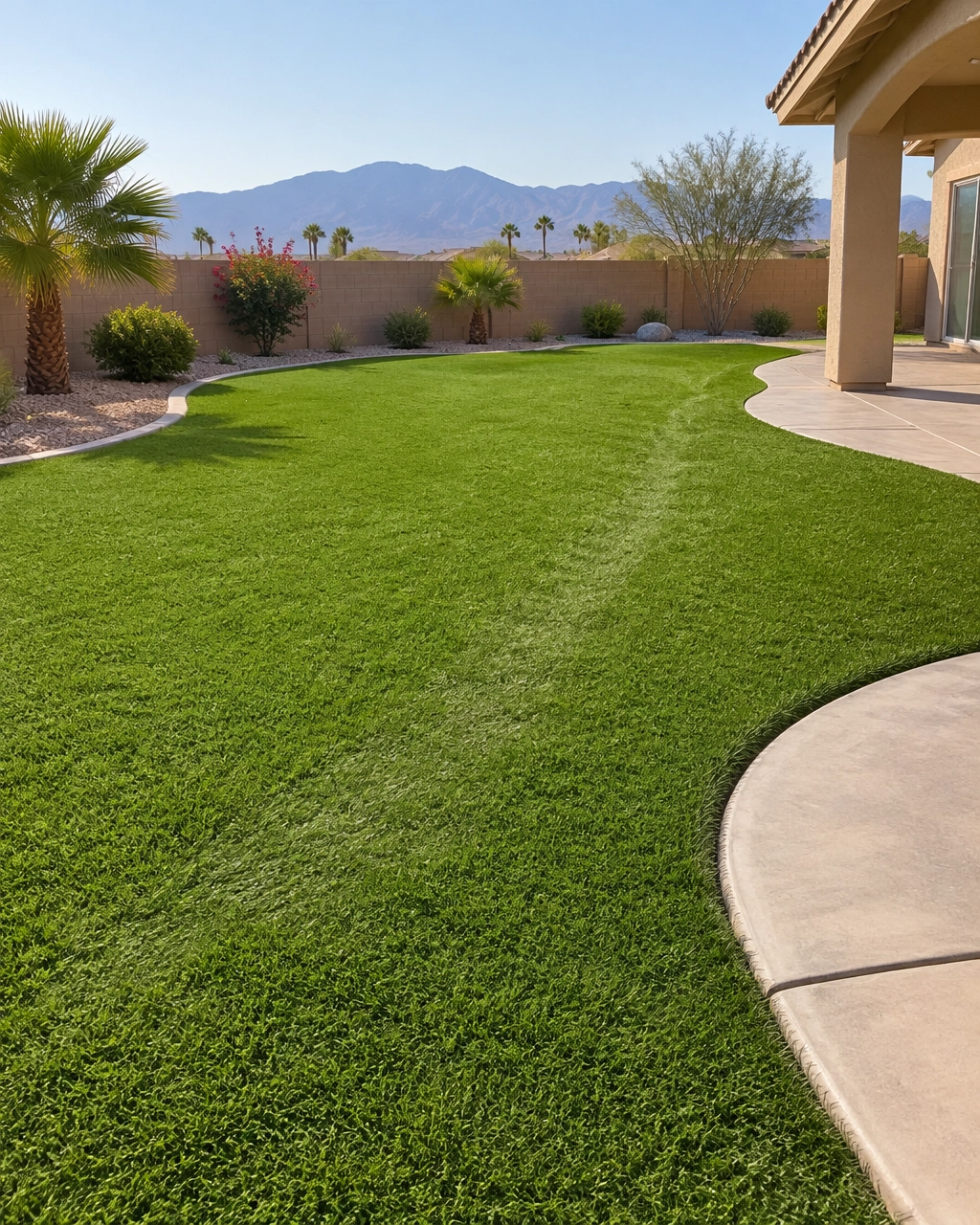
Monthly care is designed for turf that is already in reasonably maintainable condition. It keeps dust, debris and pet-related residue from accumulating for long periods.
An initial or reset cleaning may be more appropriate when:
- The turf has not been professionally cleaned for an extended period
- Dust and debris are embedded throughout the surface
- Pet contamination is heavy
- Fibers are noticeably matted
- Infill is compacted, uneven or significantly settled
- The yard needs a more thorough assessment before recurring maintenance
A reset is not a repair service. Cleaning does not automatically correct drainage problems, damaged turf, failed seams or other construction and material issues. Drainage, repairs, infill replacement, restoration and unusual conditions are reviewed separately.
Once the turf has been brought to a manageable condition, monthly maintenance can help keep the next visit focused on routine care instead of catching up on months of buildup.
Signs your artificial turf is due for cleaning
Your turf may be ready for service if you notice:
- A persistent dusty appearance after ordinary rinsing
- Odor that returns quickly in pet-use areas
- Visible debris collecting between the blades
- Fibers that stay flattened after brushing
- Uneven-looking infill or low areas in high-traffic zones
- Residue around the edges of the turf or patio
- A surface that feels or looks less clean even after a hose rinse
You do not need to wait for every sign to appear. Monthly care is intended to address ordinary accumulation before the turf requires a more involved reset.
How often should you clean artificial turf?
The right schedule depends on use, pets, surrounding dust and the turf’s current condition. For homeowners who want a predictable maintenance routine, monthly service is a practical starting point for ongoing care.
Between professional visits, homeowners can still remove solid waste promptly, clear loose debris and rinse obvious spots as needed. Those steps support routine maintenance, but they do not replace periodic brushing, infill attention and a more complete cleaning process.
Artificial turf cleaning pricing: current starting points
Mr. Juniper’s current artificial turf pricing is based on turf size and whether the yard needs monthly maintenance or an initial/reset service. These are starting points, and the final scope and price are confirmed before service.
Monthly maintenance
| Turf size | Starting point |
|---|---|
| Up to 500 sq. ft. | $129 |
| 501–1,000 sq. ft. | $149 |
| 1,001–1,500 sq. ft. | $179 |
| 1,501–2,000 sq. ft. | $219 |
| 2,001–2,500 sq. ft. | $279 |
| Over 2,500 sq. ft. | Custom |
Initial or reset service
| Turf size | Starting point |
|---|---|
| Up to 500 sq. ft. | $219 |
| 501–1,000 sq. ft. | $279 |
| 1,001–1,500 sq. ft. | $349 |
| 1,501–2,000 sq. ft. | $429 |
| 2,001–2,500 sq. ft. | $519 |
| Over 2,500 sq. ft. | Custom |
Heavy pet contamination, infill replacement, restoration, drainage, repairs and unusual conditions are custom quoted. You can review the current artificial turf service details or view the full pricing information.
A cleaner routine for your Imperial Valley yard
Artificial turf is lower-maintenance than natural grass, but it is not maintenance-free. A hose can help with quick rinsing, while monthly care addresses the dust, debris, pet residue, fiber matting and infill concerns that a simple rinse may leave behind.
If your turf is already heavily soiled or has persistent odor and buildup, an initial/reset service may be the better starting point. If it is in manageable condition, recurring monthly care can provide a more consistent way to keep up with Imperial Valley’s outdoor conditions.
When you are ready, request a quote for monthly artificial turf care. Mr. Juniper can review the turf size, condition and maintenance needs before service is confirmed.